
Did you know that September is Deaf Awareness Month? Here at Top Marks, we are all about celebrating every person in our Rainbow Nation. So, in this article, you will learn about South African Sign Language, Deaf Culture, and even learn a little signing yourself.
South African Sign Language (SASL) is the 12th official language of South Africa. It is a language independent of any spoken language and is the chosen first language of many Deaf individuals living in the country. Many schools for the Deaf use SASL as the language of teaching and learning in South Africa.
Learning Sign Language is not just about learning to sign a few letters of the alphabet. It is about gaining an understanding of the people behind the language. Let’s dive into what South African Sign Language is, why it’s important to learn Sign Language, what Deaf Culture is, and teach you a few simple signs to get you going on your journey into the world of South African Sign Language.
What is South African Sign Language?
South African Sign Language (SASL) is a visual language used by Deaf people in South Africa. It is created using gestures, including the use of hands, arms, body, and facial expressions.
SASL was developed by Deaf people all over the world as a way to communicate visually. Since Deaf people cannot hear, they need to be able to see words and concepts.
South African Sign Language was developed by Deaf people living in South Africa. But, because not all Deaf people lived in one place, we have many different dialects. According to Disability Info SA, there are as many as 12 dialects of SASL.
What is a dialect? A dialect is a particular form of a language used in a specific region or by a specific social group.
Just like in spoken languages, SASL conforms to certain grammatical rules. We call these parameters. The parameters of Sign Language include the following:
- Handshape
- Movement
- Location
- Orientation
- Non-manual features (facial expressions)
It is important to note that Sign Language does not rely on any spoken language. So, South African Sign Language is not a form of English, or Zulu, or Afrikaans, or any other language. It is a completely independent language.
Why is it Important to Learn South African Sign Language?
SASL was made South Africa’s 12th official language in July 2023. This was a momentous occasion for all involved with the Deaf Community. It was something hoped, fought, and lobbied for, for many years.
Now that it is an official language, it is even more important for as many people as possible to learn South African Sign Language.
More and more people are realizing the need for inclusion in our society. We are realizing that it is not okay to exclude certain members of society based on their communication challenges or cultural background and association.
Learning South African Sign Language is important because you are not only learning one of South Africa’s official languages, but you are learning a language that can potentially provide access to information to an entire group of people who otherwise wouldn’t have it.
As someone who can sign, you also open up doors of opportunity for yourself. Jobs for those fluent in Sign Language include the following:
- Interpreter
- Teacher of the Deaf
- Curriculum developer
- Social worker
- Counselor
- Early interventionist
Once you have a sound knowledge of Sign Language, there are so many opportunities to work in fields that involve Deaf children and adults. Follow your heart and your dreams and see where they lead.
What is Deaf Culture?
No language exists in a vacuum. Languages are the way that the people of a particular culture communicate with each other. It is the same with Sign Language. Sign Language is the chosen language of most culturally Deaf individuals.
So, what is Deaf Culture?
The Wikipedia definition of Culture is “a concept that encompasses the social behaviour, institutions, and norms found in human societies, as well as the knowledge, beliefs, arts, laws, customs, capabilities, attitudes, and habits of the individuals in these groups.[1] Culture often originates from or is attributed to a specific region or location.
Humans acquire culture through the learning processes of enculturation and socialization, which is shown by the diversity of cultures across societies.”
Deaf Culture fits the definition of a culture. Those who identify as culturally Deaf behave in a certain way, they attend schools for the Deaf and tend to associate more with other Deaf individuals than with the hearing. Deaf people create and enjoy Deaf art, they lobby for Deaf rights, accessibility, and inclusion, and enjoy a certain group of customs that come from living together in residential schools.
The socialization and enculturation of Deaf people usually happens through schools for the Deaf. Since most Deaf children are born to hearing families, they tend to feel most accepted and at home with their peers and signing teachers at these schools. And this is where Deaf Culture is passed from generation to generation.
Deaf Culture is vast, rich, and beautiful. There is art, history, dance, music, and politics. You only need to open your eyes and heart to see it.
Let’s Learn Some South African Sign Language
There are a few basic signs you can learn as you delve into this beautiful language. We thought we would share a few of them here to help you get started.
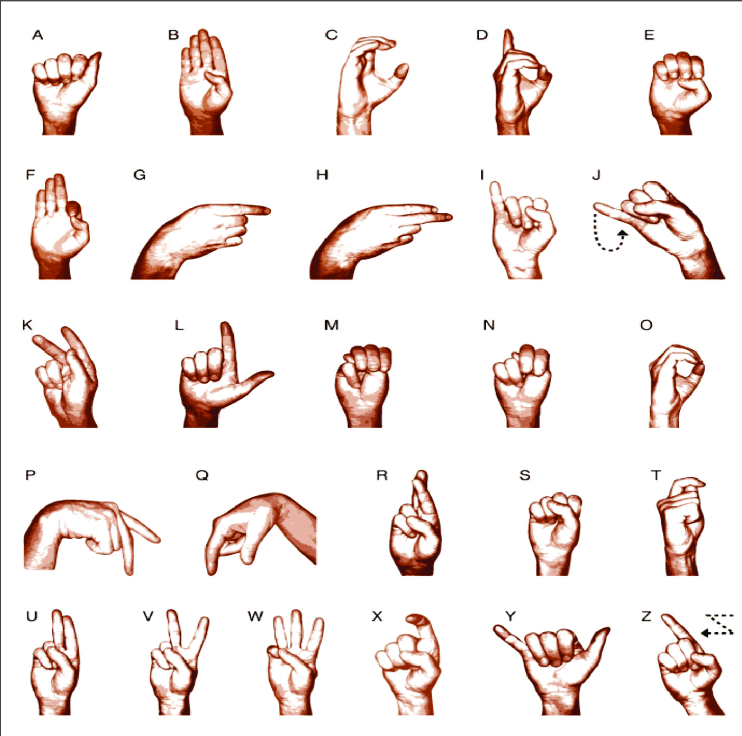
First up is the SASL alphabet. This will help you spell out words, including your name.
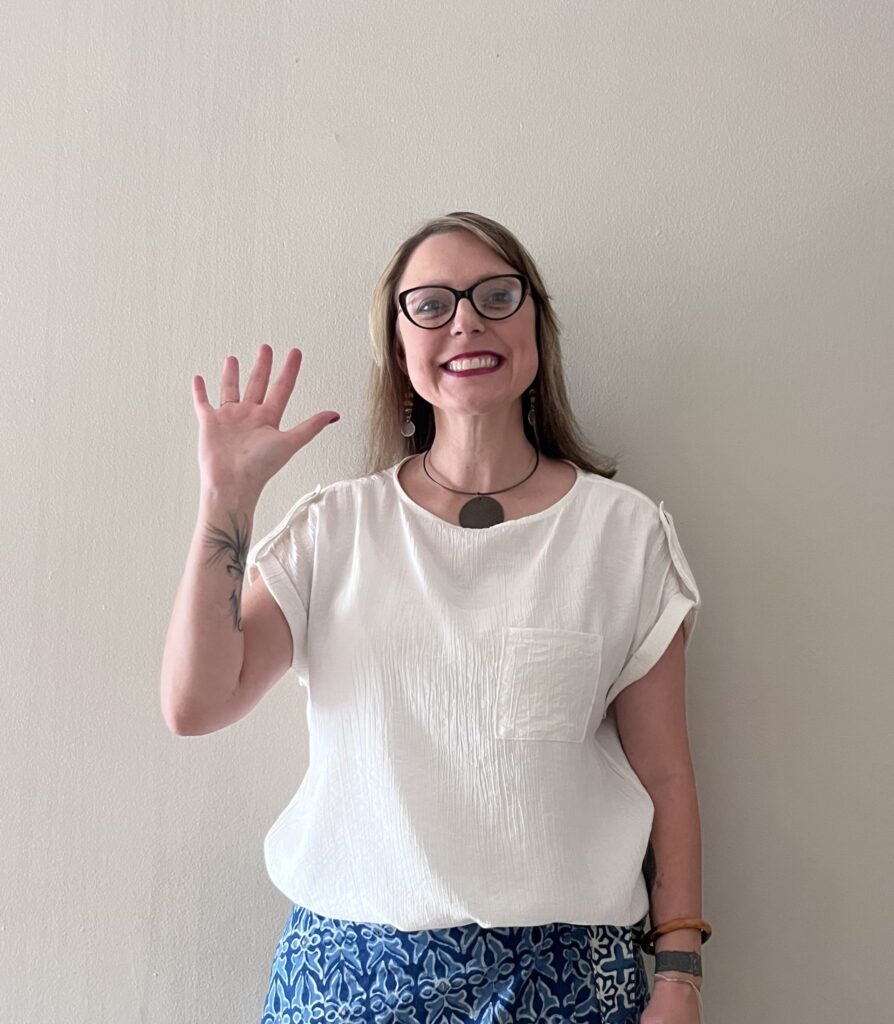
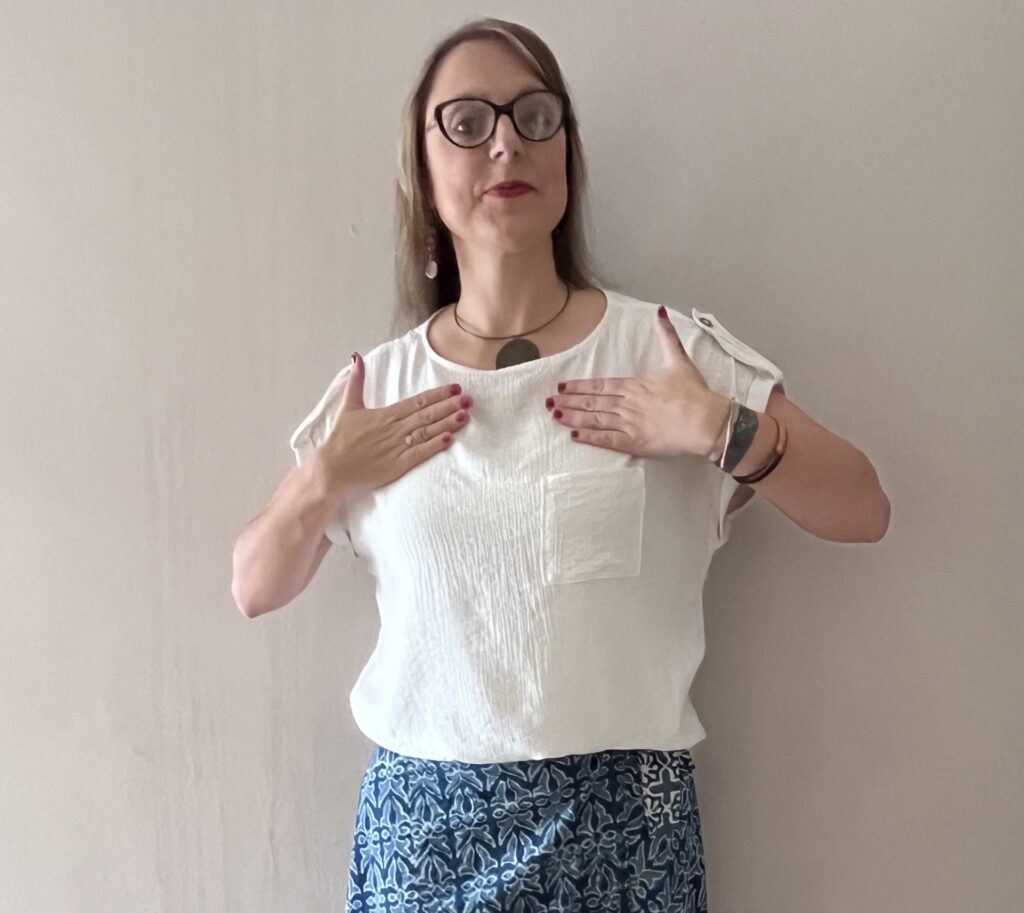
Here are some exciting signs you can use when you meet a Deaf person:
Hello:
How are you?
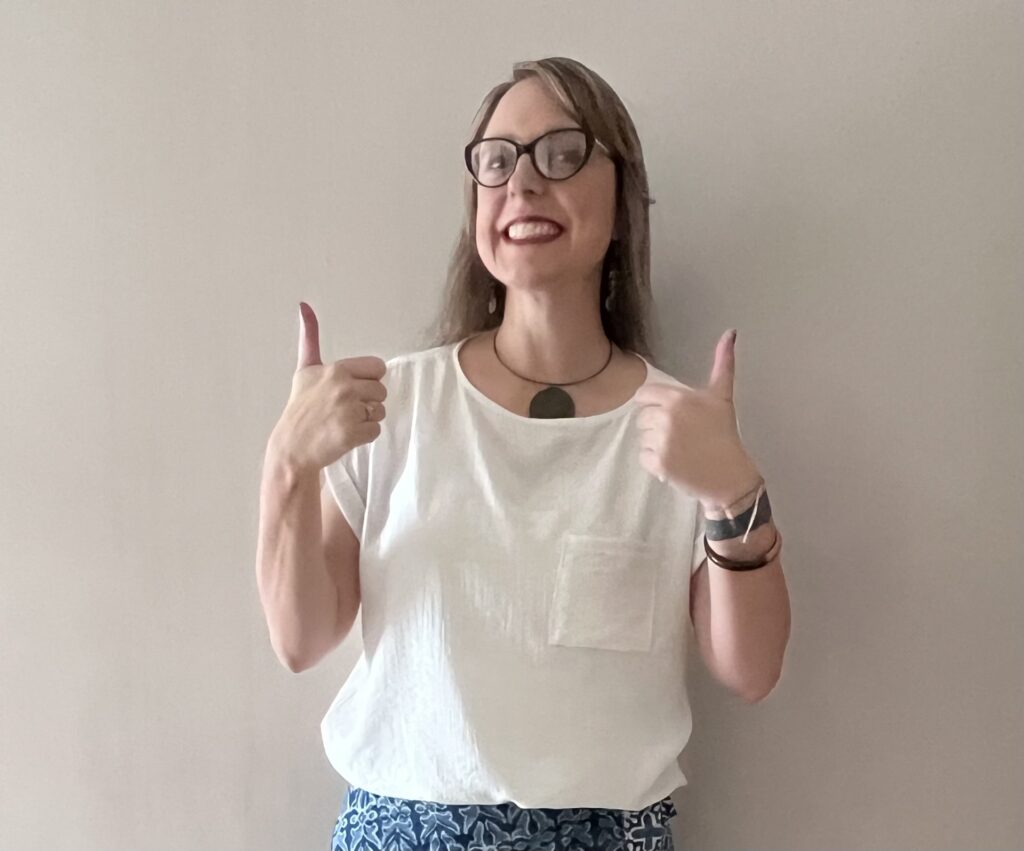
Fine:
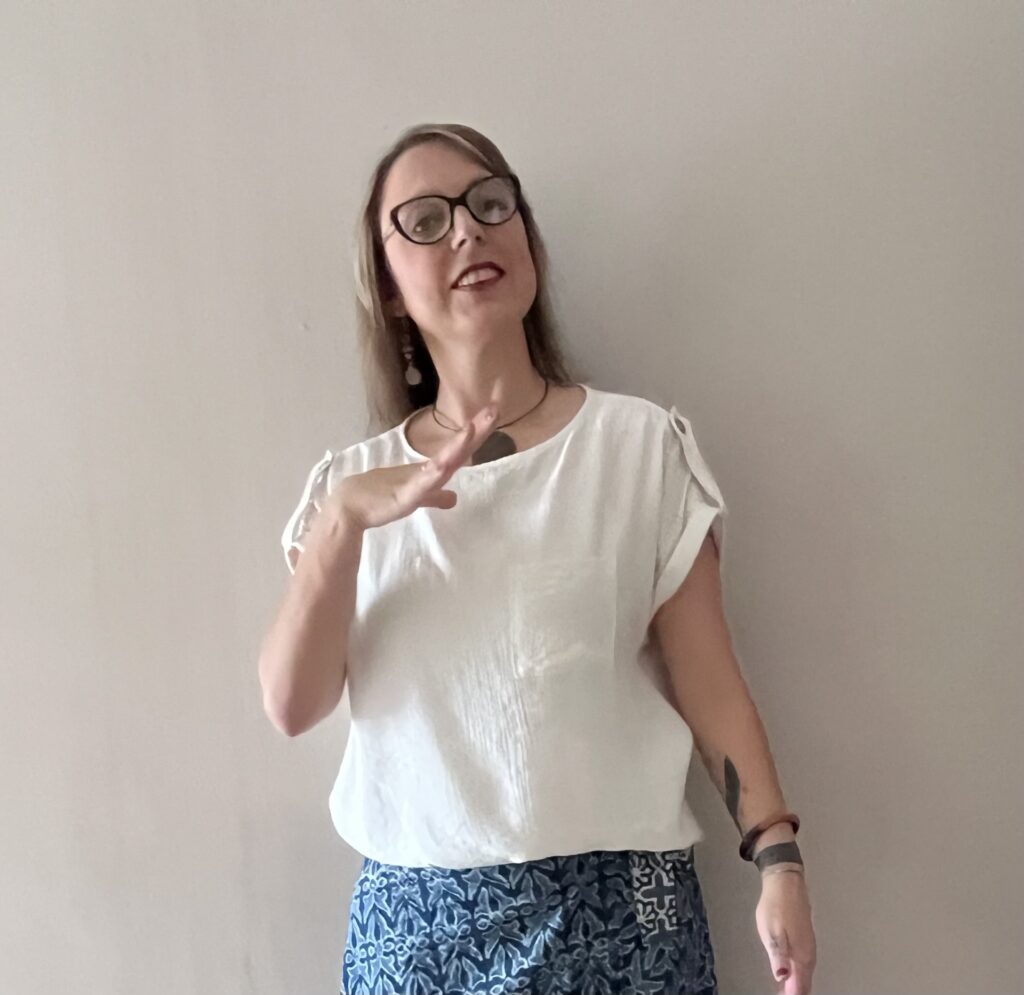
Thank you:
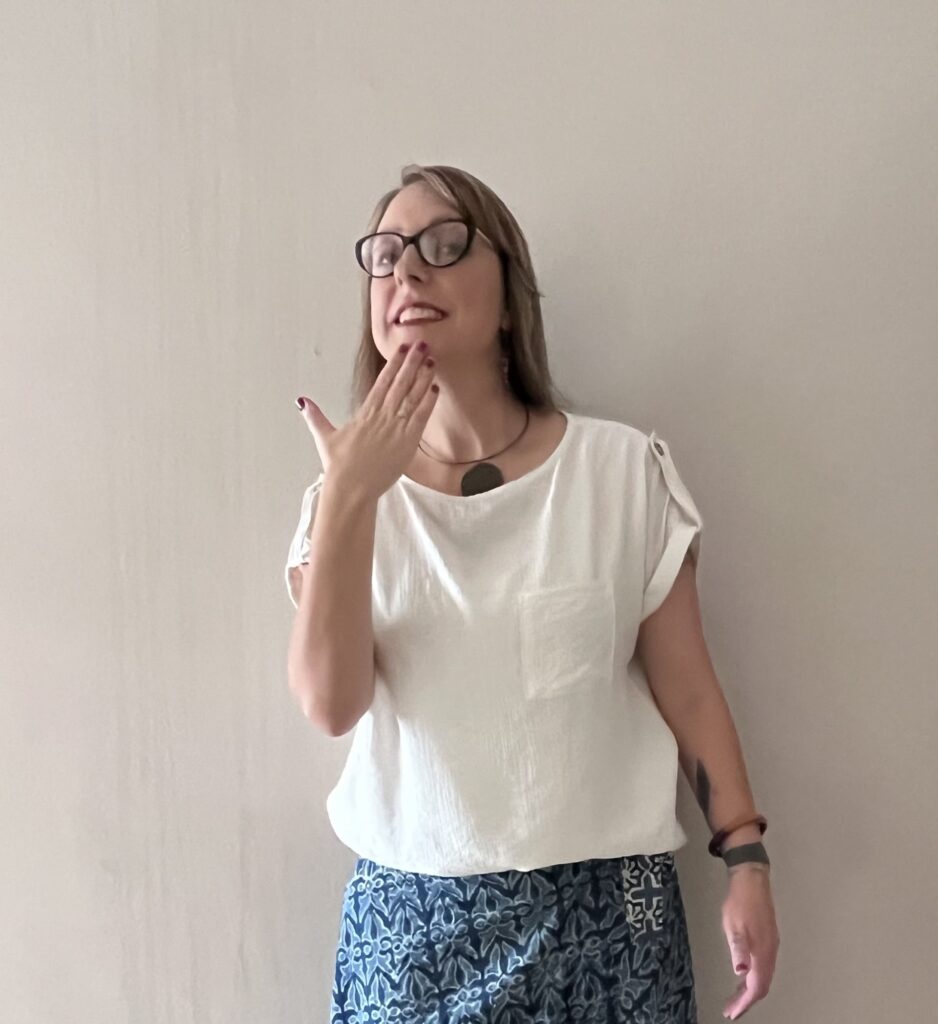
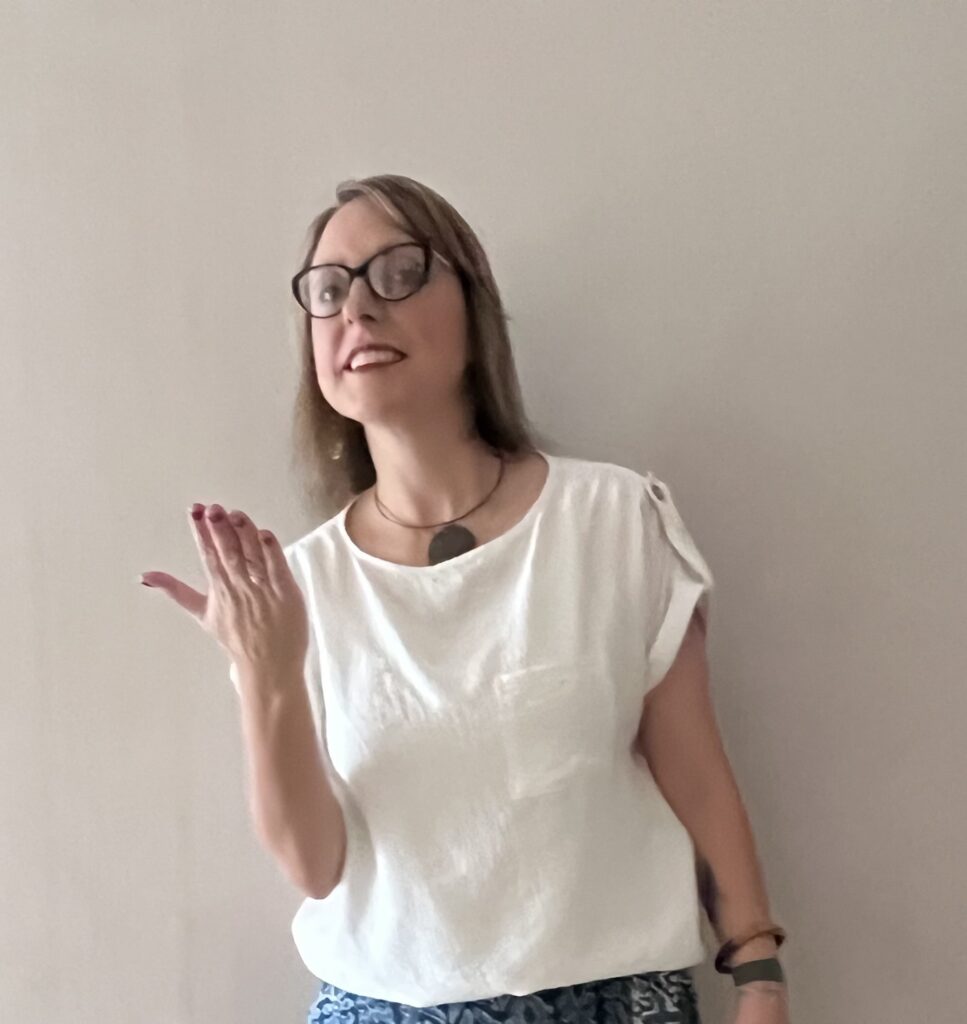
Please:
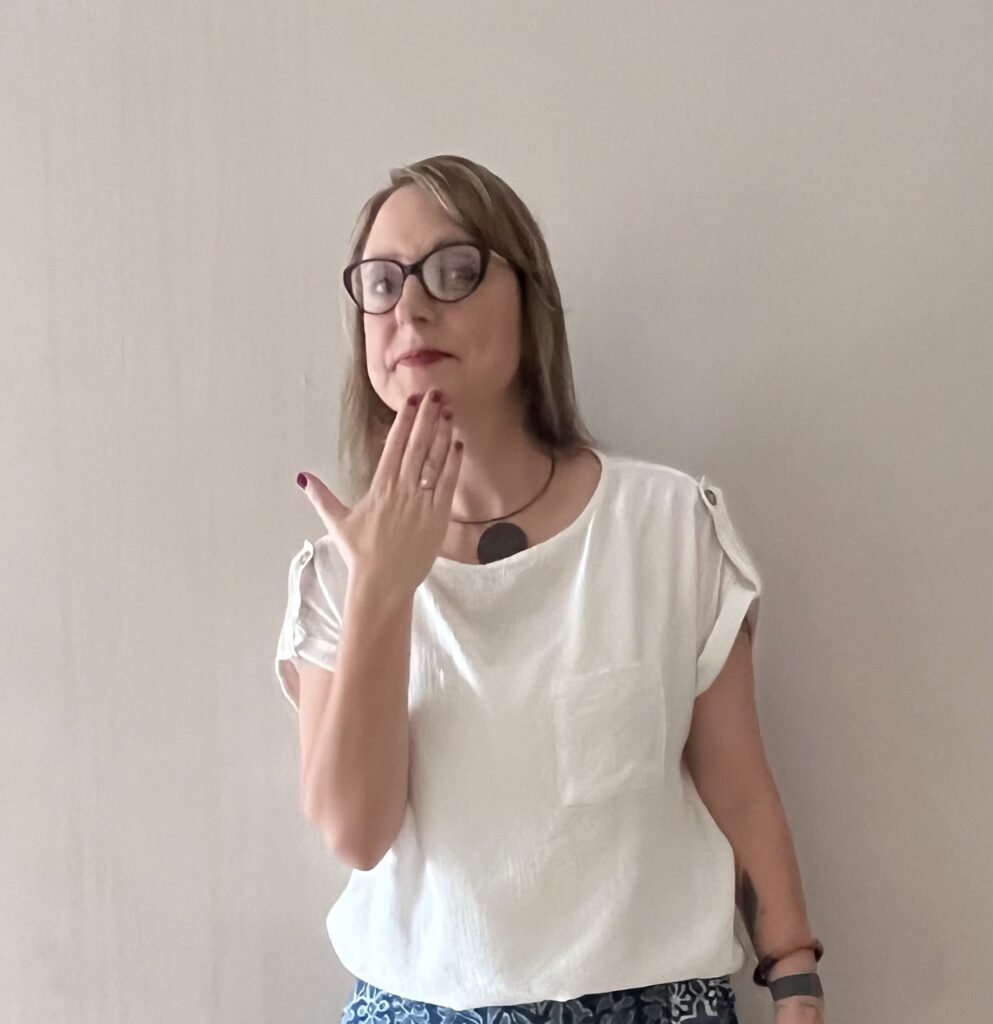
Have fun with Sign Language. The world is your oyster and there is a whole community of people waiting to get to know you! If you would like to learn more, here are 2 resources you can use.